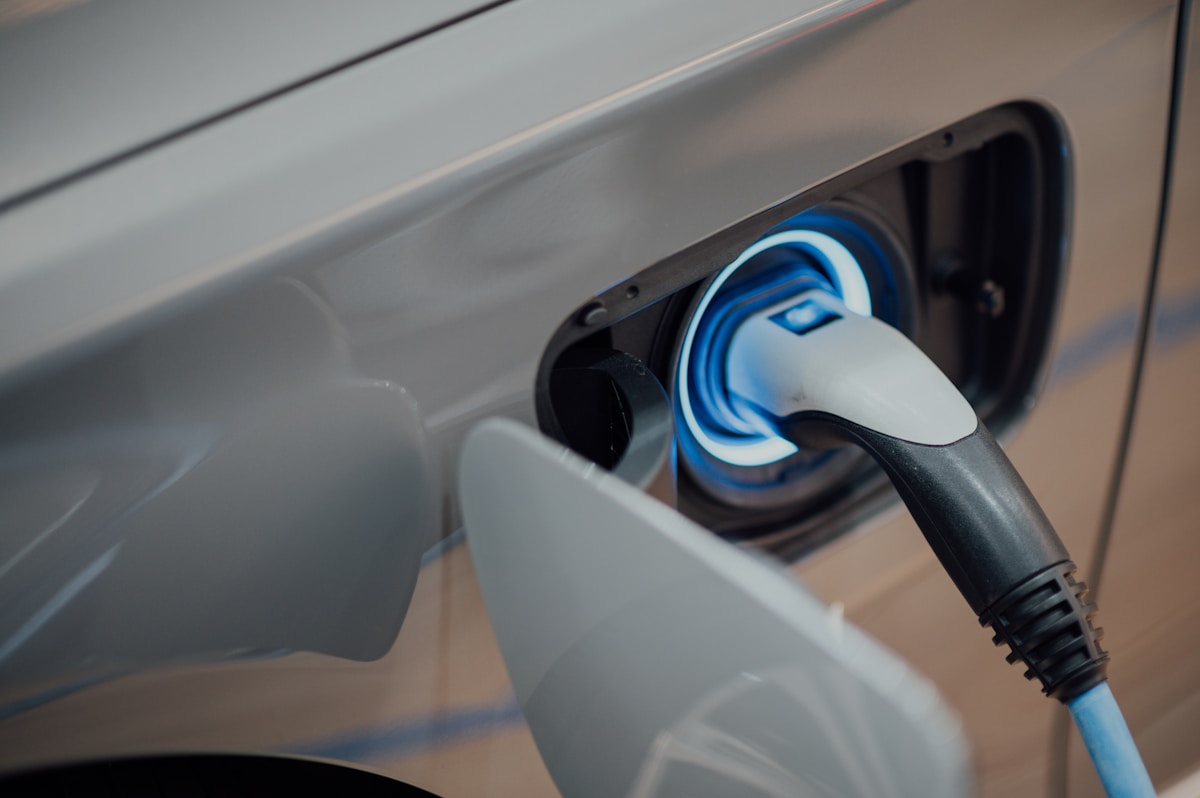
Buying your first electric vehicle is an exciting step toward sustainable transportation. This comprehensive guide will help you navigate the EV landscape, understand what to look for, and make an informed decision that fits your lifestyle and budget.
Why 2026 is the Perfect Time to Buy an EV
The electric vehicle market has reached a tipping point. With over 500 EV models available globally, prices approaching parity with gasoline cars, and charging infrastructure expanding rapidly, there's never been a better time to make the switch.
Key Market Developments in 2026
- Price Parity: Average EV prices have dropped to within 10% of equivalent ICE vehicles
- Range Improvements: Most new EVs offer 400-600 km of real-world range
- Charging Speed: 10-80% charging in under 20 minutes is now common
- Battery Warranties: 8-10 year warranties are standard across manufacturers
- Resale Values: EV resale values have stabilized and improved significantly
Understanding Your Driving Needs
Before diving into specific models, it's crucial to understand your actual driving requirements. Many first-time buyers overestimate their range needs.
Daily Driving Assessment
Consider these questions:
- What is your average daily commute distance?
- How often do you take long road trips (over 300 km)?
- Do you have access to home charging?
- What's the charging infrastructure like in your area?
💡 Reality Check: Range Anxiety
Studies show that 95% of all car trips are under 50 km. Even the most affordable EVs with 300 km range can handle a week's worth of driving on a single charge. Range anxiety is largely psychological and fades quickly after ownership.
EV Types: BEV vs PHEV
Understanding the difference between fully electric and plug-in hybrid vehicles is essential for making the right choice.
Battery Electric Vehicles (BEVs)
- 100% electric: No gasoline engine, zero tailpipe emissions
- Lower maintenance: No oil changes, fewer brake replacements
- Examples: Tesla Model 3, BYD Seal, Hyundai Ioniq 5, VW ID.4
- Best for: Those with home charging and predictable driving patterns
Plug-in Hybrid Electric Vehicles (PHEVs)
- Dual powertrains: Electric motor + gasoline engine
- Electric range: Typically 40-80 km on battery alone
- Examples: Toyota RAV4 Prime, BMW X5 xDrive50e, Volvo XC60 Recharge
- Best for: Those without home charging or frequent long-distance travel
Key Specifications to Understand
Battery Capacity (kWh)
Battery capacity determines your range. Think of it like the size of your fuel tank:
- Small (40-60 kWh): City cars, 250-350 km range
- Medium (60-80 kWh): Most popular, 350-500 km range
- Large (80-120 kWh): Premium/long-range, 500-700 km range
Charging Speed
Two charging speeds matter:
- AC Charging (Home/Destination): 7-22 kW, adds 40-130 km/hour
- DC Fast Charging (Road trips): 50-350 kW, adds 200-500 km in 20 minutes
Efficiency (Wh/km or kWh/100km)
Lower is better. Efficient EVs (15-17 Wh/km) travel further on the same battery than inefficient ones (22-25 Wh/km). This significantly impacts your running costs.
Top EV Recommendations by Category
Best Value EVs Under $35,000
| Model | Range | Price | Highlights |
|---|---|---|---|
| BYD Dolphin | 427 km | $29,990 | Best value, LFP battery |
| Chevrolet Equinox EV | 480 km | $34,995 | Spacious SUV |
| Hyundai Kona Electric | 418 km | $33,550 | Reliable, good warranty |
Best Mid-Range EVs $35,000-$55,000
| Model | Range | Price | Highlights |
|---|---|---|---|
| Tesla Model 3 | 513 km | $42,990 | Best Supercharger network |
| BYD Seal | 570 km | $44,990 | Excellent value, great range |
| Hyundai Ioniq 5 | 481 km | $45,500 | Ultra-fast 800V charging |
| Volkswagen ID.4 | 450 km | $43,995 | Practical family SUV |
Best Premium EVs $55,000+
| Model | Range | Price | Highlights |
|---|---|---|---|
| Tesla Model Y LR | 533 km | $52,990 | Best-selling EV globally |
| BMW iX xDrive50 | 630 km | $87,100 | Luxury + range |
| Mercedes EQS | 770 km | $104,400 | Longest range luxury |
| Porsche Taycan | 510 km | $92,900 | Best driving dynamics |
Understanding Total Cost of Ownership
EVs often cost more upfront but save money over time. Here's a realistic 5-year comparison:
EV vs Gasoline: 5-Year Cost Comparison
| Cost Category | EV (Tesla Model 3) | Gasoline (BMW 3 Series) |
|---|---|---|
| Purchase Price | $42,990 | $44,900 |
| Fuel/Energy (5 years) | $4,500 | $15,000 |
| Maintenance (5 years) | $2,000 | $6,500 |
| Insurance (5 years) | $8,000 | $7,500 |
| Road Tax (5 years) | $500 | $2,500 |
| Total 5-Year Cost | $57,990 | $76,400 |
| 5-Year Savings with EV: | $18,410 | |
Government Incentives and Rebates
Many countries offer substantial incentives for EV purchases:
Major EV Incentives by Country (2026)
- United States: Up to $7,500 federal tax credit, plus state incentives
- Germany: Up to €4,500 BAFA subsidy
- United Kingdom: Plug-in Car Grant up to £2,500
- Canada: Up to $5,000 federal rebate, plus provincial incentives
- Australia: Various state rebates ($3,000-$5,000)
- Norway: VAT exemption (25% savings)
⚠️ Important Note on Incentives
Incentive programs change frequently. Always verify current eligibility requirements before purchasing. Some incentives have income limits, price caps, or domestic manufacturing requirements.
Home Charging Setup
Having a home charger dramatically improves the EV ownership experience. Here's what you need to know:
Charging Options
- Standard Outlet (Level 1): Free but slow, adds ~5 km/hour
- Dedicated 240V Circuit (Level 2): $500-$2,000 to install, adds 40-80 km/hour
- Smart Charger: $400-$800, enables scheduling and monitoring
Installation Considerations
- Check your electrical panel capacity (may need upgrade)
- Get quotes from certified electricians
- Consider future-proofing with higher amperage
- Look for chargers with cable management
What to Check When Buying Used EVs
The used EV market is growing. Here's what to verify:
Critical Checks
- Battery Health Report: Request State of Health (SoH) percentage
- Charging Records: History of DC fast charging usage
- Service History: Software updates and any battery-related service
- Warranty Status: Verify remaining battery warranty coverage
- Charging Port: Test both AC and DC charging
🚨 Red Flags When Buying Used
- • Battery health below 80% (unless priced accordingly)
- • Significant range difference from original specs
- • No service history or battery health documentation
- • Signs of flood damage or battery fire
- • Unusual charging behavior or error messages
Test Drive Checklist
When test driving an EV, pay attention to these specific factors:
During the Test Drive
- ☐ Test regenerative braking at different levels
- ☐ Check acceleration smoothness and power delivery
- ☐ Evaluate cabin noise at highway speeds
- ☐ Test the infotainment system responsiveness
- ☐ Check visibility and parking camera quality
- ☐ Test climate control impact on range estimate
- ☐ Verify Bluetooth and phone connectivity
- ☐ Check cargo space with seats up and down
Common First-Time Buyer Mistakes
Avoid these common pitfalls:
Mistakes to Avoid
- Overbuying Range: You probably don't need 600+ km if you have home charging
- Ignoring Charging Speed: Slow DC charging can be frustrating on road trips
- Not Testing in Winter: Range drops 20-30% in cold weather
- Skipping Home Charger: Public charging only gets old quickly
- Forgetting Insurance Quotes: EV insurance can be higher due to repair costs
- Not Checking Local Incentives: You might miss thousands in savings
Final Recommendation
For most first-time buyers in 2026, we recommend:
🏆 Best Overall Choice for First-Time Buyers
The Tesla Model 3 or BYD Seal offer the best combination of range, charging network, technology, and value. If budget is tight, the BYD Dolphin or Hyundai Kona Electric are excellent affordable options.
Key factors: Access to fast charging network, software updates, good resale value, and reliable battery technology.
Next Steps
- Calculate your daily driving needs
- Research local incentives and rebates
- Get home charging installation quotes
- Schedule test drives of your top 3 choices
- Compare total cost of ownership, not just sticker price
- Use our EV vs Petrol Calculator to see your potential savings
Ready to calculate your potential savings? Use our Road Tax Calculator to see how much you'll save on annual taxes with an EV in your country.